
· 4 min read
New Construction Listing Photography: What Agents Need to Know Before the Shoot
Jupiter, FL
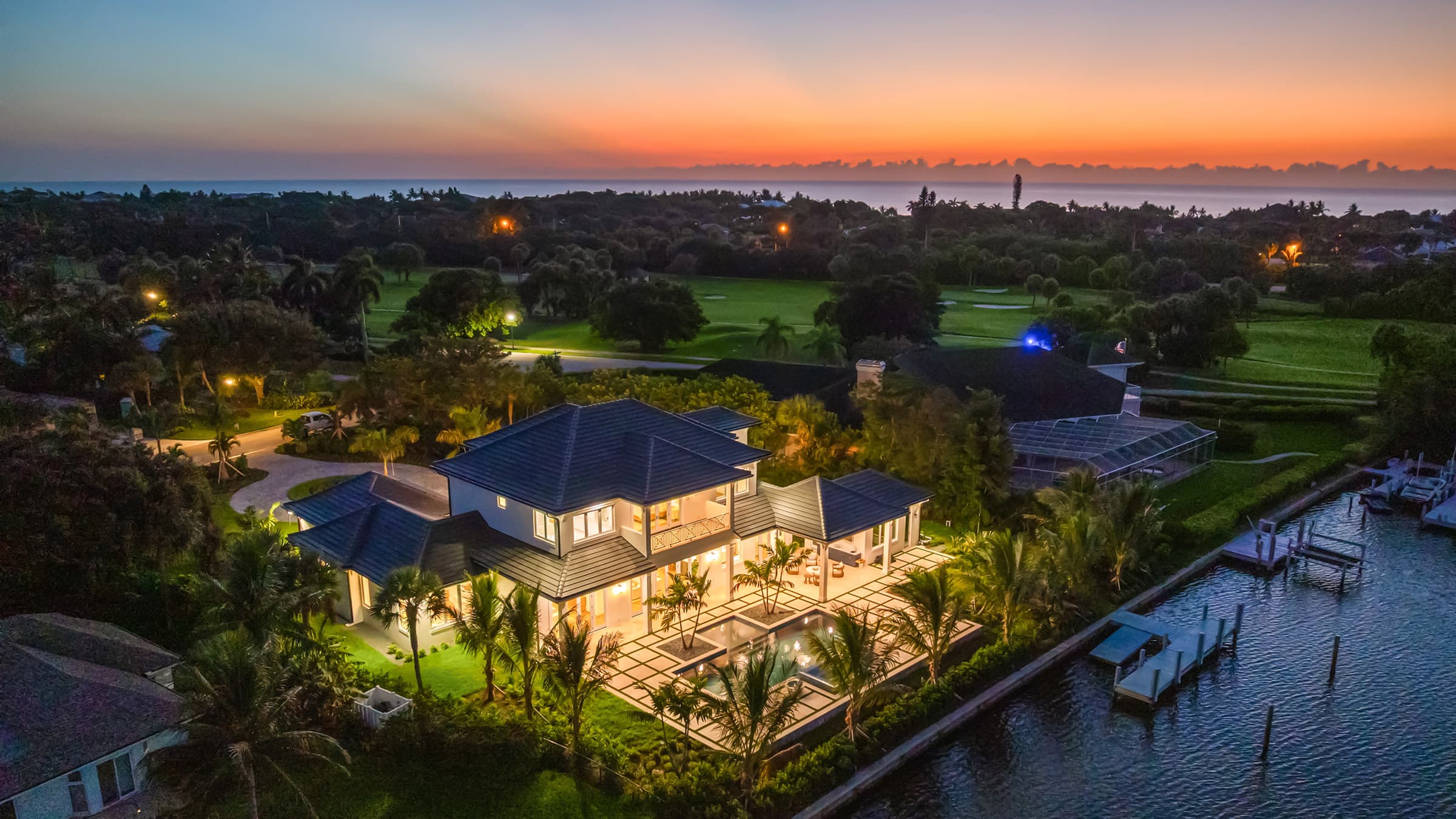
A new home can be ready for a walkthrough before it is ready for listing photos. The kitchen may be finished while protective film remains on the appliances. The driveway may be complete while landscaping crews are still working.
For agents, the preparation starts with knowing exactly what will be finished—and who can confirm it.
New construction is a relevant listing segment in Palm Beach County. DJ & Lindsey’s Q3 2026 agent playbook highlights builder activity in Westlake, Loxahatchee, and northern Wellington. That makes a repeatable photography plan useful for agents handling individual spec homes and builders marketing several properties. Read the regional playbook.
Our real estate photography checklist covers general preparation. This guide focuses on the decisions that come with a newly built home.
Schedule against confirmed completion dates
Plan photography after the final construction clean, with access arranged before ownership or key handover changes. Empty interiors reveal dust, smudges, and small finish defects; unfinished landscaping also affects exterior coverage. Imagen’s September guide identifies these as distinct challenges for new construction photography. Read the photography guide.
Ask the builder’s contact to confirm the actual work schedule before locking in the appointment. “The cleaners are booked” and “the clean is complete” are different milestones.
Establish one person who can confirm readiness, provide access, and communicate delays. If several trades are returning, ask when their work will end and whether another clean will follow.
A short status update with current phone photos can help the photographer plan coverage before arriving.
Make the punch list part of the conversation
Send the photographer a list of unfinished items and where they are located. Separate work that affects the planned images from work elsewhere on the property.
For example, a missing kitchen cabinet door affects a central listing image. An unfinished storage space may require a different coverage decision.
Agree on the approach before shoot day:
- Wait until the visible work is complete.
- Photograph finished areas and schedule remaining coverage later.
- Document the current condition for a clearly defined purpose.
Do not assume editing will complete construction. Listing photographs should give buyers an accurate understanding of what they will see.
Give empty rooms a clear purpose
Before the appointment, identify how each room should be presented. A flex room could function as an office, dining room, or guest space; the intended use helps guide the image sequence.
Share a floor plan and a short list of selling features. Include details a photographer might otherwise miss, such as an oversized pantry, a secondary suite, or the connection between the kitchen and covered patio.
If furnishings are planned, decide which rooms need them before photography. For digital furniture, review our virtual staging versus physical staging guide. Keep original photographs available and clearly identify staged versions.
Consider twilight while planning the exterior
Twilight can give an unfurnished home a more welcoming exterior image, especially when interior lighting is visible through the windows. Imagen’s guide highlights its value for newly built properties. See the exterior guidance.
Discuss the intended hero image with the photographer. Is the strongest feature the front elevation, a courtyard, or the outdoor living area?
Confirm that someone can provide access through the evening session and operate the lighting. If exterior fixtures are still being installed, settle that timing before adding twilight coverage.
Use aerials to answer questions about the lot
For a newly built home, aerial coverage can help buyers understand the relationship between the house, outdoor space, neighboring properties, and nearby roads.
Tell the photographer which features need context. A larger parcel may call for different views than a home in a closely spaced development.
Confirm the lot’s identity and provide reliable reference material if boundary graphics are requested. Do not treat a photograph as a survey or imply that nearby land belongs to the listing.
When landscaping is unfinished, discuss whether to capture the current condition or return after installation. The choice should match the listing timeline and the property being marketed.
Plan beyond one listing when working with a builder
Before photographing several homes, clarify whether the images represent individual properties, a model home, or examples of a floor plan.
Record which finishes and upgrades appear in each gallery. This helps the agent and builder avoid presenting an optional feature as standard or using model-home photographs without explaining what they show.
Agree on the coverage, intended uses, and delivery needs at the start. A consistent brief makes the next property easier to coordinate.
Bring a clear brief to the appointment
When arranging new construction listing photography, share the address, floor plan, confirmed readiness date, outstanding work, access contact, and launch deadline. Add the features you most want buyers to understand.
Explore Higginbotham Media’s real estate photography services and plan the coverage around the home’s actual completion schedule.
Sources
- Palm Beach Real Estate: Your Q3 2026 Agent Playbook — DJ & Lindsey Real Estate
- New construction photography: A Complete 2026 Guide — Imagen