
· 6 min read
How Many Photos Should a Real Estate Listing Have?
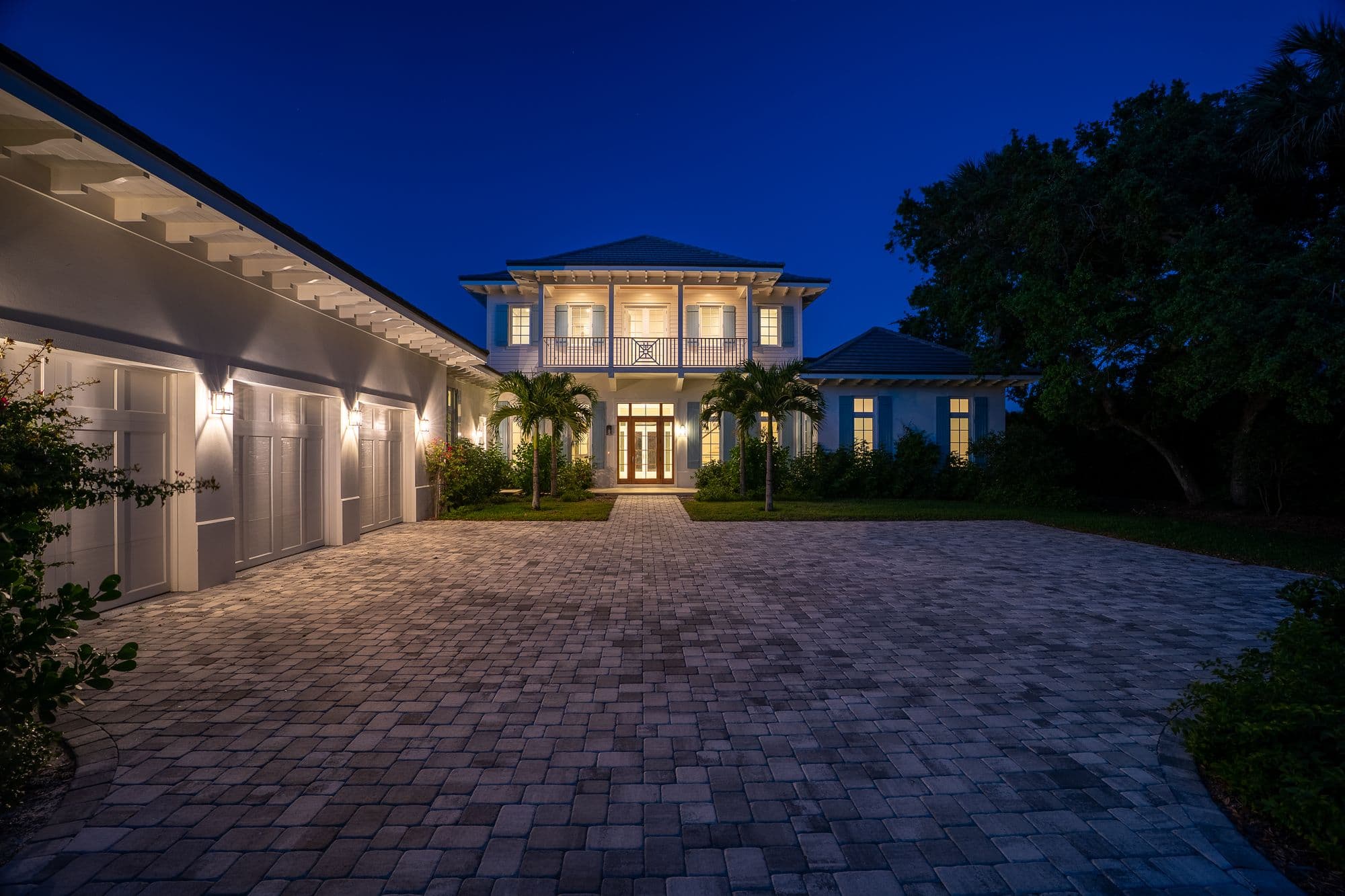
A real estate listing needs enough photos to show every room, the outdoor spaces, and the features that make the property different. The useful count comes from that coverage: a one-bedroom condo and a waterfront home with a guest suite have different stories to tell.
For a home under 3,000 square feet, Higginbotham Media delivers about 40 edited images with its photography-only package and about 45 with its bundled listing packages. Larger homes are assessed individually, and stock community amenity images are added where available. Those are delivery expectations, not instructions to upload every image to the MLS. See the current real estate photography package details.
To choose your listing photos, start with a room-by-room plan, keep angles that add information, and check the rules of the MLS receiving the listing.
A photo plan by property type
Use this property-type comparison to plan coverage before deciding on a final count. These are editorial planning suggestions, not package inclusions or MLS requirements.
- Studio or one-bedroom condo. Cover the main living and sleeping spaces, kitchen, bathroom, building exterior, and any private balcony or terrace. Add an angle when it explains an alcove, storage area, or actual view from the unit. Include shared amenities only when relevant, accurately identified, and permitted.
- Townhome. Cover each level, all bedrooms and bathrooms, living areas, exterior, and private outdoor space. Add a view of stairs or a landing when it helps explain how the floors connect. A second image of an identical hallway may contribute little.
- Single-family home. Cover every room, the front and rear exterior, yard, and outdoor living areas. Add angles for separate living zones, an office, a useful garage layout, or a screened lanai that cannot be understood in the first view.
- Waterfront, pool, or golf-course home. Start with complete house coverage, then show the property's actual relationship to its setting. Extra images can explain the pool deck, dock, outdoor kitchen, or outlook. A view from the house and a view back toward it can answer different questions.
- Large home, acreage, or guesthouse property. Inventory each building, floor, and distinct outdoor area. Add coverage for a guest suite, workshop, separate entrance, or grounds when it explains what is included. Discuss aerial coverage separately when it would help show the setting.
Price alone does not tell you how much there is to photograph. Two homes with similar square footage may have very different layouts and outdoor spaces.
The room-by-room inclusion test
Make a simple inventory before the shoot. For each space, ask: can a buyer identify it, see its main features, and understand how it connects to the home?
- Front exterior and entrance: show the building clearly and make the entrance understandable.
- Living and dining areas: include each distinct space. Use another angle if the first leaves a seating area or room connection unexplained.
- Kitchen: show the layout, work surfaces, and major fixtures. An opposite angle is useful when the island or a wall hides part of the room.
- Bedrooms: account for every bedroom. Add a second view when it reveals something specific, such as an adjoining sitting area or terrace access.
- Bathrooms: include each bathroom and enough coverage to show its fixtures. A separate shower view may be useful when a partition hides it.
- Laundry, office, garage, and bonus rooms: consider the buyer question each answers. A laundry location or garage conversion can be more useful than another decorative close-up.
- Yard and outdoor living: account for patios, screened areas, pool, garden, and other distinct spaces the listing describes.
A coverage gap is a reason to review the selection, even if you already have plenty of photos. Preparing those spaces helps too; use our real estate photography checklist before the appointment.
What that can look like in practice
As an illustration, a three-bedroom, two-bath home might use four exterior views, three living and dining views, three kitchen views, one image of each bedroom and bathroom, two utility-space views, and three patio or yard views. That adds up to 20 images.
This is an example of counting a shot list, not a recommended maximum or a promise that 20 images will cover your home. A divided kitchen, separate family room, pool, or guest suite can change the list. Compare the actual photos with the actual property before deciding the selection is complete.
Does another angle add information?
Keep a second angle when you can finish this sentence: “This photo shows the buyer ___ that the previous image does not.”
Useful answers include the pantry beside the kitchen, the shower behind the bathroom wall, the route from the living room to the lanai, or the amount of covered seating beside the pool.
If the answer is only “the same furniture from a few feet over,” compare the two images and choose the clearer one. The same test applies to details: a built-in storage system may answer a practical question; another close-up of a vase usually does not.
Do not solve repetition by removing the only image of a less polished room. Keep the presentation accurate and ask for advice if a space needs preparation or a better photograph.
Separate the full marketing gallery from the MLS selection
Your delivered gallery gives you choices for the listing, brochures, email, and social posts within the agreed usage rights. Your MLS selection should give a complete, understandable account of the property while meeting that MLS's current requirements.
Review the gallery in two passes. First, select coverage of every relevant space. Then add alternate views and features that supply new information. Remove near-duplicates only after checking that nothing useful disappears with them.
An MLS-sized download describes file dimensions; it does not mean the number of files has been selected for your MLS. Check the upload requirements separately from the photo count.
Before uploading, verify the current photo limit, minimum photo requirements, accepted file specifications, and any rules affecting branding, shared amenities, or edited and virtually staged images. Use your MLS's official guidance or ask your broker or MLS support team. Recheck for each receiving MLS rather than assuming a remembered limit applies everywhere.
There is no universal photo count that guarantees more inquiries or a faster sale. Build the selection around what a buyer needs to understand about this particular home.
Plan the coverage before you book
Send Higginbotham Media the square footage, bedroom and bathroom count, and a note about separate buildings, pools, docks, or other spaces you want covered. Mention any known MLS constraints and ask which package fits the property.
We serve Florida's Treasure Coast and The Palm Beaches from Jupiter. Compare photography packages or contact us about your listing to plan the shoot.
Turn looks into showings.
Sources
- Real Estate Photography: Package Image Counts and Delivery — Higginbotham Media
- How many photos for a real estate listing: a sizing guide — Better Listing Media
- How Many Photos Should a Real Estate Listing Have? — Stylst
- How Many Photos Does an MLS Listing Really Need? — John Ruz Productions